
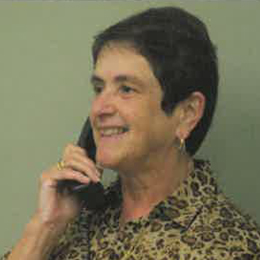
No summary at this time, please refer to the detailed index below.
Tape 1
Side 1
0-6:00 Miren’s father was Joaquin Rementeria (from Nabarniz, Bizkaia), who came to
the US as a young man to be with his brother Benito, who was working in construction. After a few years of work, Joaquin returned to Euskadi to marry. He had another brother in America named Angel. Joaquin lived and worked in California and Idaho, and helped build the Lucky Peak Dam. Before he moved back to Spain and afterwards when he returned, Miren’s father worked as a lumberjack. Due to phlebitis, he had to do less straining work for the rest of his life. Miren lists a few of the companies her dad worked for, and mentions that when she was a child, the family spent summers in the mountains with her father while he was a lumberjack. Joaquin came to the US when he was 18, and returned to marry more than 20 years later. He didn’t know his wife before returning to Spain.
6-10:00 Miren’s mother was Trinidad Minteguia (from Gernika, Bizkaia). She must have
married Joaquin in 1947. Miren was conceived in the Basque country, but was born in America. Trinidad married late in life because she had vowed to marry a Basque (and the man she had been dating was not), and also because she was the eldest daughter and her family depended on her for many things. Joaquin was in Euskadi for more than a year, and was a very desirable single man. Since Miren’s mother sold fruit in the marketplace, and was a very beautiful woman (she had a postcard made of her posing as Saint Teresa), she may have met Joaquin there, who lived 9 kilometers from Gernika and had sisters in the town. Since it was easier to make a living in the US than in the Basque country, the couple moved a few months after the wedding.
10-17:30 Trinidad initially very lonesome in Idaho, and sometimes told her kids that if she
could send them to Euskadi on a donkey, she would. She had 2 brothers and a sister (Paco, Adrian and Juanita), and was the second child. The couple came to the US by boat, and it was a very bad crossing—a nine-day trip took 17 days, and to prevent getting seasick, Trinidad had a room next to the kitchen, but the odors were nauseating. Trinidad had relatives in the Brooklyn area, and so stayed a while with them before taking a train to Idaho. Miren was born 11 days after her mother’s arrival in Idaho, and under unusual circumstances she never knew until she was an adult: her mother had an accident with a suitcase that induced early labor, and was so embarrassed and scared that she didn’t tell her husband. She pretended not to be in labor for hours as house-warming guests visited. Joaquin never knew about this! Fortunately, another pregnant woman lived in the building and was a “godsend” for Trinidad—Miren Eiguren Zubizareta, for whom Miren is named.
17:30-20:00 Joaquin was a self-educated man who read the newspaper voraciously and loved
to discuss politics from and informed point of view. Trinidad understood more than she was willing to speak, since her job didn’t require her to learn much English. Miren feels that her mother would have been able fend for herself had the need arisen. Joaquin loved to go shopping with his wife, and scouted out sales in the paper. When he was away from home, Miren’s father wrote letters home to his wife all the time (sometimes to remind her not to forget about Miren’s sister Begoñe, who was a very cooperative and quiet baby).
20-25:00 Miren discusses her sister Begoñe, whom the Idaho Statesman once called the
“Mona Lisa of Boise”, because she was so beautiful. Miren and her sister were dressed alike until they were ten, and many people thought they were twins. Trinidad took many pictures of her family, and loved to send them to the Basque country, which really helped Miren fit in when she visited her relatives years later. By the time Begoñe was born, the family had moved into a house.
25-30:00 Growing up, Miren and her family had Basque neighbors all around (as well as
some other ethnic groups; she lists a few of the Basque families. Miren and Begoñe spoke English with one another, but learned Basque from their mother. Her fluency in Euskera has proven very useful over the years, and helped teach it to her own daughters later. Even though the Boise Basque community was kind to her, Trinidad felt very isolated and dependant her first few years in Idaho. Some of her friends (Lydia Abadia Isaguirre, Miren Abadia) were eventually known as aunts and uncles to the girls.
Side 2
0-6:00 Trinidad’s friend Lydia lived with the Rementerias for a few years before she was
married, and had remained a dear friend. Miren describe what it was like to be a Basque in Boise when she was young: Basque picnics, most 1st generation children speaking Euskera, and so on. Whenever there was a non-Basque in Miren’s mother’s presence, she would always ask for the conversation to be translated, since she didn’t want people to think she was talking about them. Miren danced with the Oinkaris until shortly before she got married, and had attained the rank of mistress of ceremonies (standard procedure for the older dancers!). She had hoped her boys would dance as well, but they were so involved in sports that this was impossible. Dancing was always a huge part of Miren’s life—she had started with Jay Hormaechea as a young girl—and liked to travel to exhibitions in New York, Canada, and so on. The friendships from that group have lasted a lifetime.
6-10:00 In her twenties, Miren got involved with the first Basque choir, and later joined
the Biotzetik choir when it was formed. Her love for music came from her mother, who always sang—dusting, going to the mountains, and everywhere else! Miren was also involved in the first Music Week (which originated in Idaho) at Jay’s direction. She also sang a solo about First Communion while dressed as a grandmother (at the age 7). She recalls singing with Julie Lachiondo on a different occasion, singing two versions of the same song to satisfy the differences in opinions over the lyrics.
10-16:00 Trinidad loved to dress her kids in costumes, and hired professional
photographers to shoot scenes of her kids that she orchestrated. These photos were a way she could share her American life with her Euskadi family. Miren never knew her paternal grandparents, and only met her maternal grandmother later. Trinidad never went back to the Basque country until her daughter was 20, when they went together. She always regretted never having gone there with her husband (he had visited independently), since he passed away after years of procrastination. Miren describes daily life in the Boise Basque community: she and her sister were made to take naps on Sunday afternoons because they family went to the Basque Center in the evenings. This Center was a focal point of Basque social activity, even though it is more family oriented now than it was when Miren was a child. The family’s associations with other people were very Basque until the girls started high school and made new non-Basque friends.
16-21:30 Miren remembers the family accompanying Joaquin to the mountains in the
summers when he was a lumberjack. Her mother insisted on coming because only then could she insure that her husband ate well! Miren felt that this was an idyllic situation, since they camped in big tents all week, and many other kids (no Basques) were there nearby. The family made these trips until Miren was 11, in 1959, when Joaquin got sick. Interestingly, it was Trinidad who discovered the problem, and even though she didn’t speak enough English to explain the situation to the doctor she found friend and nurse Begoñe Eiguren to do it, and very well saved Joaquin’s life.
21:30-26:00 Miren began school at St. Teresa’s, and remembers being terrified of the nuns
because Silvia Urquidi had told her the nuns expected new girls to confess all their lies. For some unknown reason, Begoñe knew how to read before she entered the 1st grade, and was thought by many to be quite special. Miren recalls that her teacher was always very concerned that Trinidad didn’t speak English, and encouraged Miren to help her learn. Perhaps the nun had noticed that Trinidad never volunteered. Sister Editha was very firm when Trinidad disallowed her daughter to attend a parent-chaperoned train trip, but Miren’s mother still didn’t go—she just packed her daughter a big lunch and sent her off. Miren never felt bad about this, since her mother was very supportive in all the important ways.
26-30:00 Miren did have a few problems with the English language, but fortunately,
neighbor Marie Soloaga helped the girls learn. Trinidad felt bad that she could not help her daughters with her homework, but she always insisted that her daughters show her what they had done. There were several Basque kids at school, and Miren lists a few. Later, when Miren’s son Aitor began school, he also had problems with English because his grandmother had babysat for him so much! Most of Miren’s school friends were not Basque, but her closest friends were Basque, and she discusses them. These friendships made Miren feel the most comfortable.
Tape 2
Side 1
0-6:00 Miren was friends with non-Basques, but she never recalls having gone over to
their houses. Trinidad had elaborate birthday parties for her daughters, but did both girls on the same day. Because of the neighborhood’s makeup, most of the guests were Basques. Miren points out that she and her sister were the only Basque children in her neighborhood who could speak Euskera. She remembers the older Basque kids making her do things she shouldn’t have, such as smoke cigarettes until she vomited! Julia Davis Park was like Miren’s back yard, and the Abadia girls once spun he so hard on the merry-go-round that she flew off and hit her head. The whistle of a local brewery would remind Miren and her playmates when to go home for lunch, dinner and so on. She liked to watch the bears at the zoo take their baths every day, get books at the library (which her mother encouraged), and play with her friends.
6-12:00 At the end of the 5th grade, St. Teresa’s restructured, and Miren went to St.
Joseph’s for 3 years—her first time in a coed situation. She ultimately decided to go to Boise High School rather than to Bishop Kelley, for various reasons. At this time, Miren was working part-time a local record shop, and made many new friends there. She graduated from Boise High in 1966, and even though she made more non-Basque friends, she was dancing with the Oinkaris, and so her closest relationships were with kids from her own culture. She doesn’t feel she had problems integrating with non-Basques, and never felt different until somebody else (like Sister Editha) pointed it out. Other kids tended to like Basque kids as well. It wasn’t until Miren visited the Basque country that someone (Spaniards) made her feel that being Basque was not desirable. To the contrary, Boise has always accepted and cherished its Basque citizens.
12-15:00 Even non-Basque kids who came to Miren’s house felt comfortable there, largely
because Trinidad made sure that they didn’t feel excluded or talked about. In fact, in college, Miren noticed that non-Basques loved to attend Basque cultural events—once, a teacher offered a freebie on a test if she would get him a ticket to the Sheepherders Ball!
15-25:00 Miren remembers that it was in college that she came to appreciate her mother’s
experiences in the Basque country: in an English class discussing Picasso’s Gernika, the teacher was very interested in Trinidad’s stories, and although she would only share them with the class through her daughter, reliving the memories was a very painful experience. Trinidad was a political prisoner outside of Bilbao for 27 months. She was denounced by neighbor Magunechevarria for distributing anti-Franco propaganda, and in court, she was applauded for declaring the trial a sham. Her release from prison was described as a “return from the gates of hell.” During the bombing of Gernika, Trinidad and a few others were running away from town when a man who was helping them had his arm blown off. Later, Miren found a man who had researched this time period and recalled an interview with the injured man; Trinidad was so emotional that she cried and sent the man a box of cigars. She had only seen the man once before, when he came to see her at the farmhouse. Reminiscing about her time in prison, Miren’s mother recalled that families could visit the prisoners, and that some women wrote messages on the insides of shirtsleeves. Propaganda allowed people to believe that conditions in “The Towers” were better than they were: the women were given a beer-bottle-sized ration of water a day for all their water needs. Trinidad and the other women were also made to do custodial work for the officers and frequently felt harassed by these men.
25-30:00 In a strange turn of events, Miren’s husband José Mari is related to the man that
denounced her mother, who also denounced many other women. This man had a son who became a priest, and he came to visit Boise for the Basque picnic one year. Even though she knew—and he knew—what his father had done, Trinidad did not tell her family about his connection to her past until the man had left. She carried herself with the utmost dignity, and even showed him around for a while. Miren is only aware of the name of one other person who served with her mother. This woman died when her son was only three, and he was so grateful to hear Trinidad recount stories of his mother. Miren Abadia once asked Trinidad “how will you tell your daughters you were in prison?”, and she responded “I will tell them with pride as soon as I think they are ready.” Miren is very proud of her mother to this day.
Side 2
0-6:00 Miren’s father discouraged his daughters to speak out about politics, because
during Franco’s time, emigrants who disparaged the regime often discovered that their families still in Euskadi paid the price. She still has a cousin in the Basque country, convicted of terrorism, who is still in prison in the Basque country. Joaquin was a very proud US citizen, and even regretted not having become one sooner. Voting was a big deal for him, and he instilled this love of patriotism in his children. Miren’s discusses being named the executive director of the Basque Appreciation Grant, and after this two-year project was finished, she happened to meet Pete Cenarrusa through a mutual acquaintance. Although she is not a fan of politics like her father, Miren finds her job as a Deputy Secretary of State very rewarding and not very political.
6-13:00 Miren graduated from high school in 1966. At the time she was a senior, she got a
scholarship to study business at Boise State University, eventually earning an MBA—there were very few women studying in this program. Miren was taking her very last final exam when she went in to labor with her first son! She got her degree in May of 1975. Miren had gone to the Basque country and taken many pictures, and she met her husband at the Basque Center bar when José Mari asked to see her album. The Basque Center played a very big part in Miren’s life at this time. She never really felt a need to marry a Basque man, but that was her social circle, and she has been very happy in her marriage. The couple wed in 1974. Conveniently, Trinidad never remembered any of Miren’s boyfriends’ names unless they were Basque.
13-18:00 José Mari was born in Muxika, and worked hard to support the family baserri there,
often holding three jobs. His father made furniture at home and. Miren discusses her husband’s employment. The whole family decided it would be better for José Mari to come to America to improve his life, and once he had come, he sent all his money home for a year. Sadly, right after José Mari had come, a car full of kids struck his father, and he was unable to return to Euskadi for the funeral. José Mari came to Idaho to work for Wilbur Wilson’s sheep company, where his uncle also worked. He described herding sheep as one of the most tranquil times in his life. After the sheep contract was through, he began work at a sawmill in Mountain Home, driving to Boise several times a week to visit his sweetheart. Today, José Mari has his own trucking business.
18-24:30 Miren has 2 sons, Aitor and Andoni, and she mentions their ages and careers. She
discusses the two-year Basque Appreciation grant from the continuing education arm of the Department of Education. Miren feels that many current Basque activities (NABO, oral history project, Euskera classes) grew in some way or another from this grant, and she is immensely proud to have been affiliated with this catalytic project. At the time NABO was in its incipient stages, Miren had to address many concerns over avoiding a political overtone to the group. Initially, many Basque clubs around the Northwest were reluctant (and even rude) about the prospect of unifying, but now, Miren believed that most everyone supports the idea of a link between individual Basque clubs.
24:30-25:00 Miren remembers that Diana Zabala and Al Erquiaga were also instrumental in this
grant, including much fundraising (the catalyst for the first Jaialdi-type event in 1972). During this time, the University of Nevada, Reno, offered Basque classes in Euskadi, of which Miren took several, and this is how the link between BSU and UNR/Euskadi began. She enjoyed watching the increase in travel apparent during this time. Miren was often praised for her hard work, business savvy, and general organization while director of the grant.
25-30:00
Tape 3
Side 1
0-8:00 With the funds remaining from the Basque Appreciation grant, Miren helped create
a not-for-profit organization promoting the Basque culture. Her grant job went from February of 1972 until the same month of 1974. Miren, now an official State employee, had the opportunity to begin work in Pete Cenarrusa, initially in a lower position, and then as Deputy Secretary of State for Legislative and Executive Affairs when someone’s exit opened the spot. She has been with this office ever since, and serves as the liaison with the legislature, as well as many other duties (a few of which she lists). Miren finds her work very interesting, and praises Pete Cenarrusa for his ability to put politics aside and take care of business. The Secretary of State is seen as an unofficial spokesperson for the Idaho Basque community, and this tie has given Miren an interesting perspective on her fellow Basques.
8-15:00 Miren has seen many changes in her ability to remain abreast of news in Euskadi
and at home, and feels she can stay very connected to her roots. She is a firm supporter of all of Boise’s Basque activities, and is particularly laudatory of the Basque Museum and Cultural Center’s efforts to preserve the stories of immigrants to this area. Miren enjoys seeing the Boise Basque community become more self-aware and responsible for their heritage, and hopes that more Basque documents appear in English in order to support the evolution of this area. She is sure that if the Basques decide they want independence , diaspora communities will be of invaluable support.
15-20:00 Because of business interests that require either Miren or her husband to stay at
home, and José Mari’s need to see his mother as often as possible, Miren has not been to the Basque country since 1986. She recalls the first trip she took with her mother when she was 21: she felt so comfortable there after being raised on stories and photos. Miren discusses her connection to the region, including her ability to speak in Euskera to her relatives. Being invited to serve as an interpreter was a common occurrence.
20-25:00 Miren describes her experience delivering a speech at the Basque Museum in
Baiona on the best way to teach Basque; she was later congratulated for doing so well. She remembers that reading in Basque for the first time while studying in Euskadi was a wonderful experience. Aitor and Andoni were often sent to the Basque country as children to perfect their Basque and learn to fully appreciate their heritage. To this day, they speak Basque with their father and English with Miren.
25-30:00 Due to their involvement in sports, Aitor and Andoni have not been as active in the
Boise Basque community as Miren would have hoped, but they still appreciate the culture. Miren herself—an American who was born and bred so very Basque—has difficulty separating her American and Basque identities. She lives near her sister, and enjoys this extended family contact, similar to the social structure in the Basque country. Miren is very patriotic to America, but identifies herself first as a Basque—after all, she married a Basque, has Basque children, and so on.
NAMES AND PLACES
NAMES:
Abadia, Miren: Trinidad’s friend
Artiach, Aitor: Miren’s son
Artiach, Andoni: Miren’s son
Artiach, José Mari: Miren’s husband
Biotzetik: Boise Basque choir
Cenarrusa, Pete: Idaho Secretary of State
Erquiaga, Al: helped with Basque Appreciation Grant
Franco, Francisco: Spanish dictator
Hormaechea, Juanita “Jay”: Boise Basque dancing pioneer
Idaho Statesman newspaper
Isaguirre, Lydia Abadia: Trinidad’s friend
Jaialdi
Lliteras, Juliana Lachiondo: Miren’s friend
Minteguia, Adrian: Miren’s uncle
Minteguia, Juanita: Miren’s aunt
Minteguia, Paco: Miren’s uncle
Minteguia, Trinidad: Miren’s mother
Music Week
North American Basque Associations (NABO)
Oinkaris: Boise Basque dancers
Picasso, Pablo: famous Spanish artist
Rementeria, Angel: Miren’s uncle
Rementeria, Benito: Miren’s uncle
Rementeria, Joaquin: Miren’s father
Sister Editha: Miren’s teacher
Soloaga, Marie: Miren’s neighbor
Urquidi, Silvia: Miren’s friend
Wilson, Wilbur: employed José Mari
Zabala, Begoñe Rementeria: Miren’s sister
Zabala, Diana: Miren’s friend
Zubizareta, Miren Eiguren
PLACES:
Basque Center (Boise)
Basque Museum and Cultural Center (Boise)
Bilbao, Bizkaia
Bishop Kelley High School (Boise)
Boise High School
Boise State University
Boise, ID
California
Canada
Gernika, Bizkaia
Julia Davis Park (Boise)
Lucky Peak Dam (ID)
Mountain Home, ID
Muxika, Bizkaia
Nabarniz, Bizkaia
New York, NY
St. Joseph’s Elementary School (Boise)
St. Teresa’s School (Boise)
University of Nevada, Reno
THEMES:
Bombing of Gernika
Dancing
Discrimination
Education
Identity
Immigration
Language
Politics
Prison